
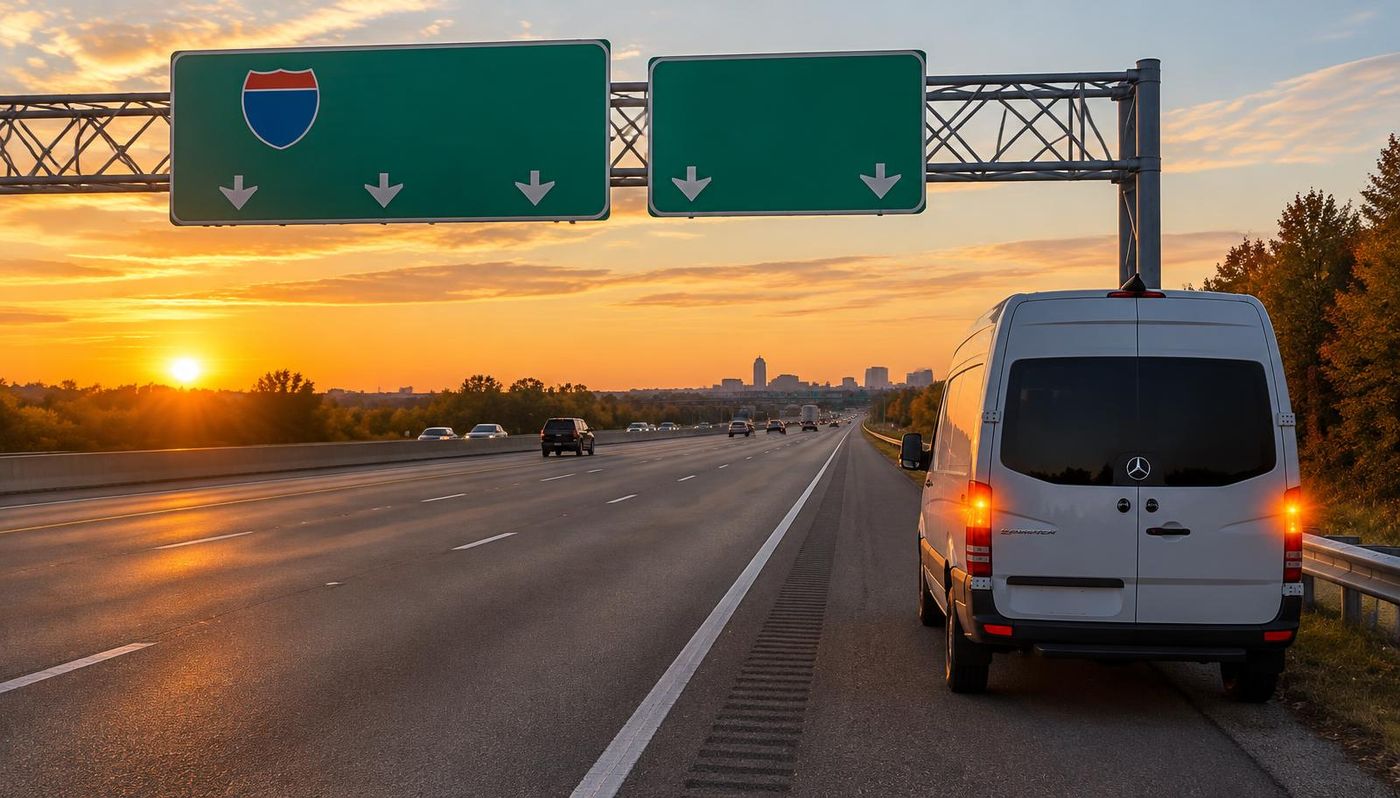
Roadside assistance on Honoapiilani Highway
A breakdown on Honoapiilani Highway is one of the most stressful places to have a tire or battery problem. Traffic does not slow down for you, and the shoulder is not a comfortable place to wait. MVP Mobile Tire Shop and Roadside Assistance sends a mobile technician to Honoapiilani Highway anywhere in the Neighbor Islands service area, 24 hours a day, so you can get moving again without a long tow.
Honoapiilani Highway follows Route 30 on Maui between the Wailuku area and West Maui, passing Maalaea and the coastal approaches toward Lahaina, Kaanapali and Kapalua. Kihei connects through other roads near Maalaea, while Kahului is reached through the central Maui network rather than a direct extension through its center.
Our technicians are dispatched from inside the Neighbor Islands service area, not from a national call center, so they already know the exits, ramps and frontage roads around Honoapiilani Highway. That local knowledge is what turns a vague location into a fast arrival.
Where Honoapiilani Highway runs and what it connects
Connections include Kuihelani Highway near Maalaea and the Lahaina Bypass network in West Maui. Kihei uses connecting roads toward South Maui. Follow current signs and official access instructions around Lahaina rather than assuming every familiar local connection is available. This highway has no tolls.
Honoapiilani Highway connects several different driving settings, so follow current lane markings and destination signs rather than assuming a remembered layout still applies. Trade winds, downpours and darkness can reduce visibility or affect vehicle control. Keep extra following distance near merging traffic, and do not make abrupt lane changes to recover a missed connection. Follow official weather alerts and closures rather than relying on conditions at the start of the journey.
Because Honoapiilani Highway ties so many neighborhoods together, we cover the surrounding communities as well, including Hilo, Kailua-Kona, Kahului, Kihei, Lihue. If you broke down on a ramp, a frontage road or a nearby surface street, the same dispatch line handles it.
Central Maui and Maalaea
The central Maui end serves the Wailuku side and connects toward Maalaea. Kahului and Kihei are separate destinations reached through the surrounding network. A stop described only by either town could be on a connecting highway rather than on Honoapiilani Highway itself. When reporting a stop in this part of the corridor, include the signed direction and the last readable junction. A phone location pin can supplement those details, but it may appear on an adjacent road. Confirm whether the vehicle remains on the main roadway, has entered a ramp or has already reached a local street. Never cross live lanes or approach a barrier to improve a location description.
Around Maalaea, the corridor turns toward West Maui with exposed coastal approaches ahead. Junction names help distinguish through travel from a turn toward South Maui. Report the actual road after any turn instead of continuing to use the name from earlier in the journey. If a tire warning or vibration develops here, reduce speed smoothly and choose a lawful stopping place only while the vehicle remains controllable. Do not drive on a collapsed tire merely to reach a more familiar town. Once stopped, describe the actual road and visible signs from a safe position. A place name remembered from the route plan is not a substitute for the road occupied now.
West Maui and Lahaina connections
The coastal approach leads toward Lahaina, where the bypass and local road network must be distinguished. Current access instructions take priority over an older route plan. A map pin near parallel roads needs confirmation from a visible sign or the last junction passed. For a breakdown around this connection, identify the route being left and the destination shown on the connector. Roadways that appear next to one another on a map can require different legal approaches. Do not reverse on a ramp, cross a painted gore or use a maintenance opening to reach another shoulder. Follow current signs rather than trying to recreate a lane choice remembered from an earlier journey.
North of Lahaina, the corridor serves the Kaanapali and Kapalua approaches. Resort areas have separate entrance roads and internal streets. Give the highway name only when the vehicle remains on it, and describe the entrance used after turning into another roadway or parking area. Give the nearest readable sign and direction without walking along the shoulder to search for a marker. If the vehicle blocks a travel lane, switch on hazard lights and call 911 before arranging routine roadside help. A bridge deck, traffic island or narrow ramp is not a protected repair space. Follow emergency personnel instructions and do not place tools or stand beside passing traffic.
Wind, rain and pavement on Honoapiilani Highway
Trade winds can affect vehicle control on exposed parts of Honoapiilani Highway, while windward downpours can quickly reduce visibility. Slow before entering standing water and never drive through a flooded roadway or around a closure. Flash floods can make a familiar crossing unsafe even when rain at the vehicle seems light. Strong sun heats pavement and tires, so check cold tire pressure before travel rather than releasing air from a warm tire. Salt air can contribute to corrosion of exposed vehicle components, which calls for routine inspection rather than assumptions about road treatment.
Rain, road spray and darkness can hide debris on Honoapiilani Highway, while work zones can shift lanes against temporary barriers and remove familiar shoulder space. Follow current signs rather than relying on a remembered lane layout. Vog can affect visibility when present, and hurricane alerts require attention to official travel instructions. If a pressure warning, pull or vibration appears, ease off the accelerator and seek a safe place to stop. A visibly collapsed tire or an uncontrollable vehicle should not be driven onward merely to reach a preferred junction.
Describing a safe stopping location on Honoapiilani Highway
When reporting a stop on Honoapiilani Highway, give the signed direction, nearest readable interchange or cross street and a mile marker when one is available. Add whether the vehicle is on the through roadway, a connecting ramp or a local street after exiting. A phone location pin is useful but can fall on a neighboring road or the opposite carriageway, so confirm it against visible signs. Never walk toward a marker, cross live lanes or climb a barrier just to obtain a more precise description. If the vehicle is towing a trailer, identify that as well as the vehicle itself and describe which tire or axle is affected from a safe position. In a parking area, include the entrance used and a visible building name. These details distinguish a disabled vehicle on an access road from one still on the highway, even when both locations share the same general map label.
If the vehicle cannot leave a live lane on Honoapiilani Highway, switch on hazard lights and call 911 with the obstruction and location. Where safely off the roadway and not exposed to another immediate danger, remain belted rather than standing beside passing traffic. Follow instructions from emergency personnel if evacuation is necessary. Do not attempt a tire change on the traffic side or place tools in a travel lane. A lawful parking area reached without further unsafe driving is preferable to a narrow shoulder, but no stopping option should require reversing or crossing a median.
The most important tip if you stop on Honoapiilani Highway
For a stop on Honoapiilani Highway, give the signed direction, nearest readable junction and mile marker if visible. Distinguish the through roadway from a connector or local street after exiting. Use hazard lights and call 911 for a live lane obstruction. Do not cross traffic, reverse on a ramp or inspect a tire beside moving vehicles. Follow official directions at bridges, tunnels and closures.
In every case, turn on your hazard lights first. If you can reach the shoulder or an exit, steer there gradually instead of braking hard. Once stopped, keep your seatbelt on and stay in the vehicle when traffic is close. Never stand between the vehicle and moving traffic, and never try to change a tire on the traffic side of the car. If anyone is hurt, or the vehicle is blocking a travel lane, call 911 first, then call us.
When you reach dispatch, share four details: your direction of travel, the last exit or mile marker you passed, the vehicle's year, make, model and color, and what happened. A map pin from your phone is even better. That information lets us send the closest technician with the right equipment on the first trip.
Weather and road conditions on Honoapiilani Highway
Hawaii has no snow or road salt, but strong sun and salt air age tires and battery terminals, trade wind showers and Kona storms slick the roads without warning, and sharp lava rock on the shoulders cuts sidewalls.
Highway speed builds heat in a tire faster than city driving does. An underinflated tire flexes more, runs hotter and is far more likely to fail at highway speed. Checking cold tire pressure once a month against the placard on the driver door jamb is the simplest way to avoid a blowout on Honoapiilani Highway.
Road debris is the other common cause of highway flats: screws, metal from blown truck tires, and pieces of construction material. If a tire is losing air slowly, a plug or patch may still be possible, but driving on a flat ruins the sidewall. Stop early and call, and the repair is usually cheaper.
What we fix on the Honoapiilani Highway shoulder
Our mobile service vehicles carry what is needed to finish most highway calls in one visit. That includes flat tire repair, roadside assistance, mobile tire repair, jump start service, mobile tire replacement, emergency roadside assistance, mobile tire shop, car lockout service and more.
For tire jobs, we plug or patch punctures in the tread when the repair is safe, mount your spare and torque the lug nuts correctly, or replace the tire with a new or quality used tire in your size. A damaged sidewall, a cut larger than a repairable puncture, or a tire that was driven flat needs replacement, and we will tell you honestly which one you have.
For other problems, we jump start dead batteries and test the charging system, replace batteries on site, deliver fuel when you run dry, open locked vehicles without damage, and winch vehicles out when they slide off the pavement. If a vehicle cannot be fixed on the shoulder, we arrange a tow to your home or the shop you choose.
Semi truck and commercial tire service on Honoapiilani Highway
Honoapiilani Highway carries delivery vans, box trucks and tractor trailers every hour of the day. MVP provides steer, drive and trailer tire service on the shoulder, so owner operators and fleet drivers do not lose a full day waiting for a shop.
Commercial calls go faster when the driver shares the unit number, the position of the failed tire, the tire size printed on the sidewall, and whether the load is hazardous or time sensitive. Fleet managers can set up an account for priority dispatch and consolidated billing.
Other highways we cover near Honoapiilani Highway
Most drivers who use Honoapiilani Highway also use Queen Kaahumanu Highway, Hawaii Belt Road, Kuhio Highway. MVP covers all of them, and we answer calls on every connecting ramp and frontage road in the Neighbor Islands service area.
If you are not sure exactly which road you are on, tell dispatch the last sign you saw, a nearby business or simply share your location. Our team will work out the rest and give you an honest arrival estimate before a technician heads your way.
How much highway roadside help costs
Price depends on what is wrong, the vehicle, the tire size if a tire is needed, the time of day and where on Honoapiilani Highway you are. A spare installation on a sedan costs less than a new commercial tire at 2 a.m., and we explain the difference before you agree.
You get a firm quote by phone or text before dispatch. The number you approve is the number you pay. If the job turns out simpler than expected, you pay less, and if we cannot fix it, you do not pay for parts you did not receive.
Honoapiilani Highway through the Neighbor Islands service area
In the Neighbor Islands service area, Honoapiilani Highway is one of 4 major roads our technicians cover every day, alongside Queen Kaahumanu Highway, Hawaii Belt Road, Kuhio Highway. Drivers from Hilo, Kailua-Kona, Kahului, Kihei, Lihue and -1 more communities use it to reach work, school, airports and shopping.
When you call about a breakdown on Honoapiilani Highway near Hilo, dispatch routes the closest available technician in the Neighbor Islands area. If you would rather move off the highway first, we can meet you at the nearest safe parking lot, gas station or side street instead.
Commuting on Honoapiilani Highway? Prevent the next roadside call
Most highway tire failures start as small problems: a slow leak, uneven wear or a tire that has aged out. If you drive Honoapiilani Highway every day, MVP can rotate your tires, check tread depth and pressure, and replace worn tires at your home or office before they fail at highway speed.
Scheduled mobile service means no waiting room and no lost afternoon. We bring the tires, mount and balance them where you park, and you are ready for your next trip on Honoapiilani Highway without a detour to a shop.
Electric vehicles on Honoapiilani Highway
EVs are heavier than similar gas vehicles, so their tires work harder on long highway runs like Honoapiilani Highway. Tesla, Rivian, Ford Mustang Mach-E and other EV owners can call MVP for EV-rated tire replacement and careful lifting at the correct jack points, so the battery pack is never at risk.
If your EV's range is running low on Honoapiilani Highway, tell dispatch the charge level and your location. Our team can help you plan the safest next step and handle any tire or roadside issue on site.
Save the number before you need it
The middle of a breakdown on Honoapiilani Highway is the wrong time to compare roadside companies. Save MVP's dispatch line in your phone now, and share it with family members who drive Honoapiilani Highway too.
Calls and texts are answered around the clock, including nights, weekends and holidays, by a team that covers the Neighbor Islands service area every day. Call, text or book online, and we will get you back on the road.