Roadside Rescue in Apalachicola, FL: we come to you
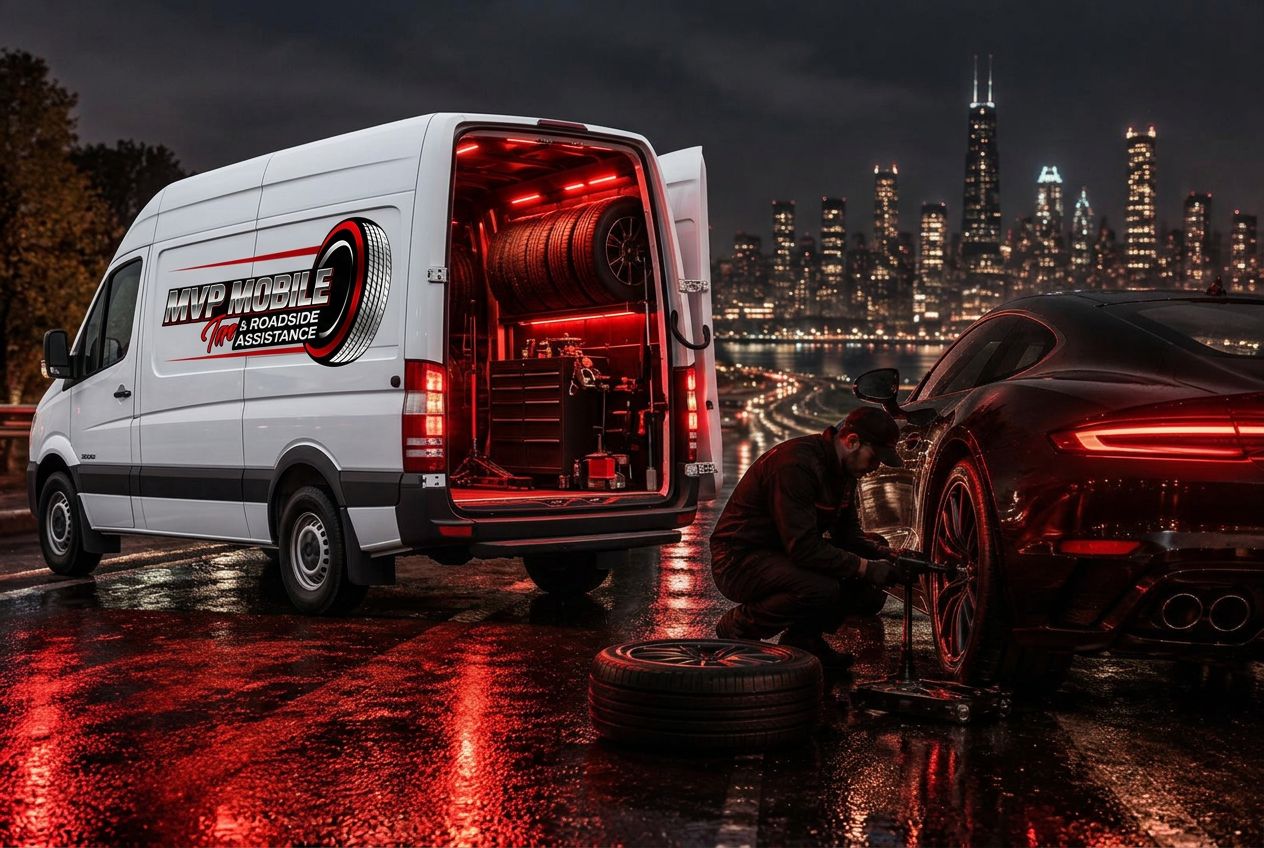
Apalachicola drivers who need roadside rescue do not have to limp down US-319 past the John Gorrie Museum State Park looking for an open shop. MVP Mobile Tire Shop and Roadside Assistance brings roadside rescue to driveways, parking lots and roadsides across Apalachicola and Franklin County, day or night, with the tools to finish most jobs in one visit.
Open now, 24 hours, 7 days a week in Apalachicola. Roadside Rescue is dispatched by a live person at every hour, nights, weekends and holidays included, so a problem on US-319 at 2 a.m. gets the same answer as one at noon near the John Gorrie Museum State Park.
Roadside rescue is for the moments you are stuck and need someone now: a blowout, a dead battery, a locked car, an empty tank or a vehicle that will not move. One call gets a rescue technician dispatched to your exact spot. In Apalachicola, that means roadside rescue near Battery Park and the city marina and along US-98 without the trip to a shop.
Whether you call it road service, roadside rescue or 24/7 emergency roadside service, the help in Apalachicola is the same: a technician on the way, with a clear quote first. Around Apalachicola, that covers Battery Park and the city marina, Market Street and every neighborhood in between.
Apalachicola is the Franklin County seat, an old cotton and oyster port on Apalachicola Bay, with a downtown of brick warehouses, seafood restaurants and shops, historic homes, working shrimp boats and the Florida Seafood Festival every November. That mix shapes roadside rescue here: the technician arrives with the equipment for the vehicles we see most around Apalachicola, visitors' cars and rental SUVs, seafood trucks, shrimpers' pickups, contractors' trucks and boat trailers.
Roadside Rescue on Apalachicola roads
MVP handles roadside rescue in Apalachicola, Franklin County. Our Forgotten Coast technicians drive US-98, US-319, Market Street, Avenue E, 12th Street, Bluff Road and Airport Road every week and know the ground around the Apalachicola waterfront and its seafood houses, the John Gorrie Museum State Park, Battery Park and the city marina and the Apalachicola Regional Airport, so naming the closest of those when you call gets help rolling sooner.
Apalachicola sits on the bay at the mouth of the river, with US-98 coming in from Port St. Joe and following Avenue E and Market Street through downtown to the John Gorrie Memorial Bridge, where US-319 begins, 12th Street and Bluff Road running north along the river and Airport Road leading west, so give the street, the nearest cross avenue and whether you are downtown by the water, on the Hill or out toward the airport. For roadside rescue, also tell dispatch if the vehicle is at a rental house driveway, a beach access lot, a boat ramp, a seafood house, a store lot or a highway shoulder.
Roadside rescue around Apalachicola is for the calls that cannot wait: a blowout on US-98, a car that will not start near the John Gorrie Museum State Park or keys locked in with the engine running on a hot afternoon. Battery Park and the city marina is a landmark dispatch knows well.
What roadside rescue includes in Apalachicola
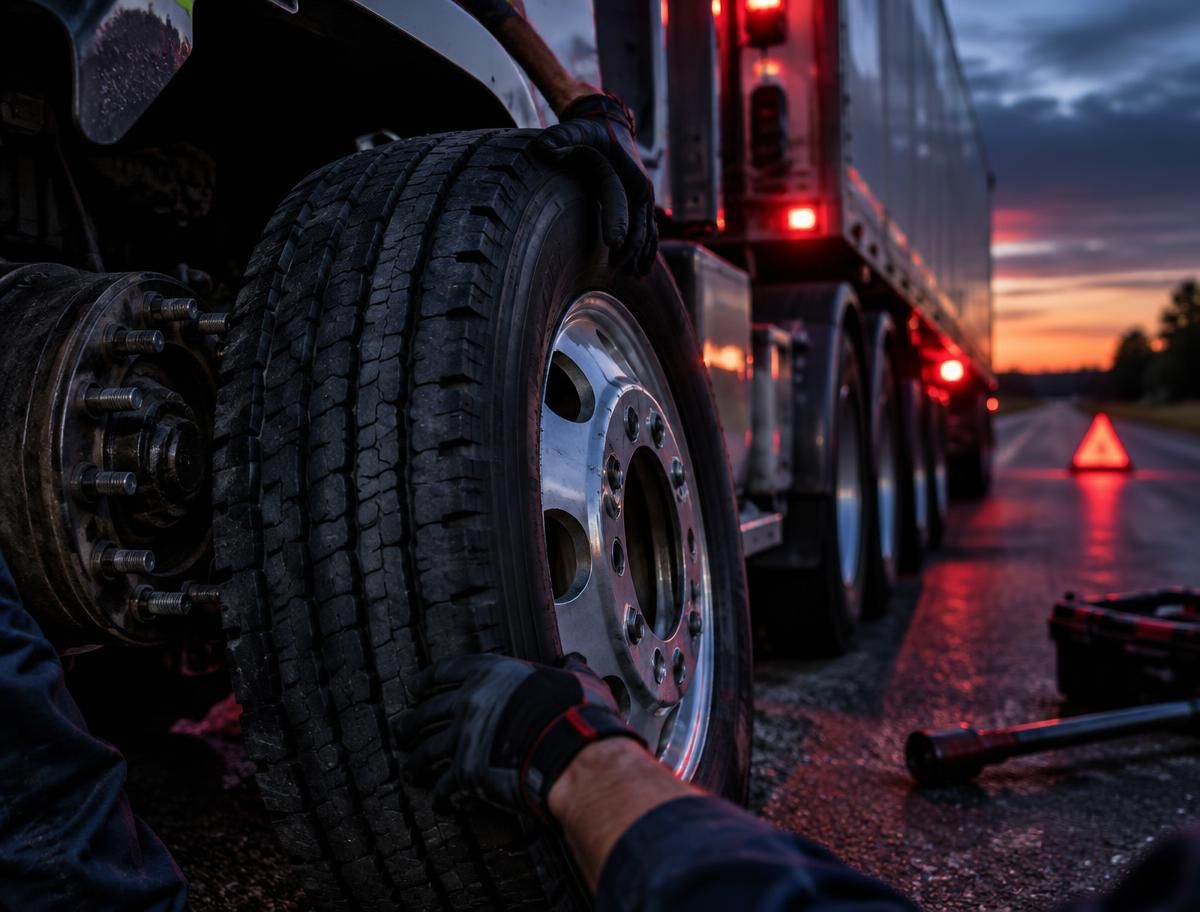
Roadside rescue is the one call for being stuck: the technician arrives ready for a flat, a dead battery, a lockout, an empty tank or a vehicle that slid off the pavement. In Apalachicola, the van can do that work in a driveway, at a job site or in a lot near the Apalachicola waterfront and its seafood houses, as long as there is safe, reasonably level ground beside the vehicle.
Use it when you are not sure exactly what is wrong, only that the vehicle will not move and you need help now. Around Apalachicola, drivers usually notice it on US-319, near Battery Park and the city marina or right after a trip down US-98.
Roadside calls usually start with a flat, a dead battery, keys left inside, a fuel gauge that misread or a soft shoulder that grabbed a wheel. In Apalachicola, add the local wear and tear: US-98 runs right through the narrow downtown grid and onto the John Gorrie Memorial Bridge, which leaves no room to stop, and the waterfront streets flood whenever a storm pushes the bay in. That is the background to most roadside rescue calls we get here.
Questions Apalachicola drivers search about roadside rescue
What does roadside assistance cover in Apalachicola? Roadside assistance covers the problems that strand a driver: flat tires and spare installs, jump starts and battery replacement, lockouts, fuel delivery, winch outs and towing when the vehicle cannot be fixed on site. In Apalachicola, MVP handles all of them from one dispatch line, including roadside rescue, whether you are near the Apalachicola waterfront and its seafood houses or out on US-98.
Does roadside assistance count as an insurance claim? Calling MVP directly is a paid service between you and MVP, not an insurance claim. If you use a roadside plan through your auto insurer instead, how the insurer records the call depends on the policy, so ask the insurer. Many drivers stuck on US-319 or near the John Gorrie Museum State Park in Apalachicola simply call MVP for roadside rescue and keep their policy out of it.
Does roadside assistance cover towing? With MVP, yes: when roadside rescue cannot get the vehicle moving safely, dispatch can arrange a tow to your home, your mechanic or the shop you choose. Roadside plans sold by insurers and clubs differ in how many miles they tow, which matters on long runs like US-98 out of Apalachicola or from the John Gorrie Museum State Park to a shop across the county.
Do you tip roadside assistance? No tip is added to your bill. The price dispatch quotes for roadside rescue in Apalachicola is the price you pay, and anything beyond that is entirely up to you. What helps the technician most is a safe spot to work, like a lot near Battery Park and the city marina, and clear directions.
How booking roadside rescue works in Apalachicola
Call, text or tap Book Now and tell dispatch what happened, the vehicle year, make, model and color, and where you are in Apalachicola, for example near the John Gorrie Museum State Park or on US-98. Describe what happened right before the vehicle stopped, any warning lights and where you are.
Dispatch gives you a firm quote and an honest arrival estimate for roadside rescue before a technician heads out, based on where you are, traffic around the Apalachicola waterfront and its seafood houses and who is closest. The price you approve is the price you pay.
When the technician reaches you, whether that is at the John Gorrie Museum State Park or a driveway off Market Street, they confirm the roadside rescue job, complete it and check your other tires before leaving, so you drive away knowing the whole vehicle is ready.
Mobile roadside rescue compared with a shop or a tow in Apalachicola
Most roadside problems do not need a tow. A flat, a dead battery, a lockout or an empty tank can be handled on site, and towing is the backup when the vehicle cannot be made safe to drive. For drivers in Apalachicola, the nearest shop may be a drive down US-319 from the Apalachicola waterfront and its seafood houses, so roadside rescue at the vehicle saves that trip.
On every roadside visit the technician looks over the tires and checks their pressure, and when the battery was involved, tests it and the charging system. That courtesy check is part of every roadside rescue visit in Apalachicola, whether the vehicle is parked near Battery Park and the city marina or at home.
A roadside rescue checklist for Apalachicola drivers
Note any warning lights or sounds right before the vehicle stopped. Turn off accessories to save the battery while you wait. If you stay inside, keep the doors locked until the technician arrives and identifies the job. Those habits matter around Apalachicola, where US-98 runs right through the narrow downtown grid and onto the John Gorrie Memorial Bridge, which leaves no room to stop, and the waterfront streets flood whenever a storm pushes the bay in.
Once the vehicle is moving again, follow the technician's advice on whether it needs a shop visit. If you are back on US-98 soon after roadside rescue, a quick look at the tires before you leave the John Gorrie Museum State Park or your driveway in Apalachicola is worth the minute.
Where to meet the technician in Apalachicola
Good places to wait for roadside rescue in Apalachicola include the Apalachicola waterfront and its seafood houses, the John Gorrie Museum State Park, Battery Park and the city marina and the Apalachicola Regional Airport, a store or office lot off US-319, or your own driveway. Pick a spot with firm, level ground, room beside the vehicle and enough light to work, and tell dispatch the entrance, row or building number.
If the vehicle is on US-98 or another busy road around Apalachicola and can still roll slowly, moving to a lot such as one near Battery Park and the city marina is usually safer than waiting on the shoulder for roadside rescue. If it cannot move, stay put with the hazard lights on and let dispatch know.
Towns near Apalachicola we reach for roadside rescue
The same Tallahassee and Big Bend service area team that handles roadside rescue in Apalachicola also covers Eastpoint, about 8 miles east, St. George Island, about 8 miles southeast, Sumatra, about 20 miles north and Carrabelle, about 21 miles northeast. If something goes wrong while you are driving between them, the same dispatch line answers.
Eastpoint is the closest neighbor, about 8 miles east, and US-98 connects the two. If you need roadside rescue between Apalachicola and Eastpoint, the mile marker or nearest crossroad helps most.
For drivers coming in for roadside rescue: from Eastpoint, about 8 miles away, Apalachicola is to the west by way of US-98; from St. George Island, about 8 miles away, Apalachicola is to the northwest by way of US-98; from Sumatra, about 20 miles away, Apalachicola is to the south; from Carrabelle, about 21 miles away, Apalachicola is to the southwest by way of US-98.
Franklin County roads and roadside rescue
Franklin County is the heart of Florida's Forgotten Coast, with the old cotton and oyster port of Apalachicola, the fishing town of Eastpoint across the bay, the beaches and state park of St. George Island, the river town of Carrabelle and Tate's Hell State Forest behind them, home of the Florida Seafood Festival every November, and Apalachicola is the county seat. US-98 and US-319 follow the coast together from Apalachicola over the John Gorrie Memorial Bridge to Eastpoint and Carrabelle, US-98 continuing west toward Port St. Joe, SR 300 crosses Apalachicola Bay on the Bryant Grady Patton Bridge to St. George Island, SR 65 runs north from Eastpoint through the forest toward Sumatra and Hosford, and SR 67 runs north from Carrabelle. For roadside rescue in Apalachicola, those are the routes our technicians use to reach you, along with Market Street, Avenue E and 12th Street, the roads closest to the John Gorrie Museum State Park.
One thing to know before you call for roadside rescue: US-98 runs right along the bay and the Gulf with little room off the pavement, the long bridges to Eastpoint and St. George Island leave no room to stop, the coast road floods in storm surge, and SR 65 and SR 67 cross miles of forest with no stores and weak cell signal. Closer to home, US-98 runs right through the narrow downtown grid and onto the John Gorrie Memorial Bridge, which leaves no room to stop, and the waterfront streets flood whenever a storm pushes the bay in.
Weather, seasons and roadside rescue in Apalachicola
Summers on the Forgotten Coast are hot and humid, with thunderstorms building over the forest and drifting out over the bay most afternoons from June into September, while salt air from the bay and the Gulf works on wheels, lug nuts and battery terminals all year. In Apalachicola, that means tire pressure swings, faster battery wear and standing water on US-319 and in the lots near the John Gorrie Museum State Park after a storm, all common reasons for roadside rescue.
Hurricane season runs from June through November, and the Big Bend has taken a run of direct hits: Michael tore through Gadsden, Liberty and Franklin counties in 2018, Idalia came ashore near Keaton Beach in August 2023, Debby near Steinhatchee in August 2024 and Helene near Perry in September 2024, while tornadoes tore across Tallahassee in May 2024, leaving downed trees and power lines across the roads each time. The busiest times on Apalachicola roads are the Florida Seafood Festival in November, spring and summer visitors, holiday events downtown and hurricane season, which brought Michael's surge in 2018, so save the number for roadside rescue before those weeks arrive.
Vehicles we see in Apalachicola
Around Apalachicola, the vehicles on the road are mostly visitors' cars and rental SUVs, seafood trucks, shrimpers' pickups, contractors' trucks and boat trailers. This is bay, beach and forest country, with Apalachicola Bay and St. George Sound, the beaches of St. George Island and Alligator Point, the Apalachicola and Carrabelle rivers and the wet pine flatwoods of Tate's Hell State Forest and the national forest, so roadside rescue calls here range from a sedan in a lot near the Apalachicola waterfront and its seafood houses to a pickup on Market Street.
US-98 carries seafood trucks, building supply rigs and visitors along the coast, SR 65 brings log trucks down through the forest, and most freight reaches the county from Tallahassee on US-319 and US-98. For roadside rescue in Apalachicola, passenger cars, SUVs, pickups, EVs, box trucks and semi trucks parked anywhere from the John Gorrie Museum State Park to US-98 all get the right lifting equipment, and for semis the work is tire service only, not mechanical repairs.
What affects the cost of roadside rescue in Apalachicola
The price of roadside rescue depends on the work needed, the vehicle, the tire size if a tire is involved, new or used parts, the time of day and where you are, whether that is in town near the John Gorrie Museum State Park or out on US-98.
Dispatch quotes the roadside rescue total by phone or text before a technician heads out, and the number you approve is the number you pay. If the job near Battery Park and the city marina turns out simpler than expected, you pay less, and if it cannot be done, you do not pay for parts you did not get.
Staying safe while you wait in Apalachicola
If you are waiting for roadside rescue on US-98 or another fast road around Apalachicola, turn on your hazard lights, stay buckled in when traffic is close and never stand between the vehicle and moving cars. Call 911 first if anyone is hurt or a lane is blocked. Keep in mind that US-98 runs right through the narrow downtown grid and onto the John Gorrie Memorial Bridge, which leaves no room to stop, and the waterfront streets flood whenever a storm pushes the bay in.
If you can still roll slowly, a parking lot near Battery Park and the city marina is a safer place to wait for roadside rescue than the shoulder. Keep your phone charged and nearby so the technician can reach you on arrival.
Car makes, tire sizes and highways for Apalachicola
Our car make, model and tire size guides cover the vehicles Apalachicola drivers bring us, with factory sizes, tire notes and pressure guidance. Pick your make or tire size from the links on this page, then call or text dispatch from the Apalachicola waterfront and its seafood houses or anywhere in Apalachicola for roadside rescue. Highway pages for US-319 and US-98 explain where each road runs, its busiest stretches and what to do if you stop on it.
Why Apalachicola drivers call MVP for roadside rescue
MVP is built around coming to you. For roadside rescue, dispatch answers 24/7, quotes before anyone heads out, and sends a technician who knows US-98, US-319 and the way to the Apalachicola waterfront and its seafood houses.
Save the number before you need it, and share it with anyone in your household who drives US-98 or parks near the John Gorrie Museum State Park. Call, text or book online for roadside rescue in Apalachicola and the rest of Franklin County.